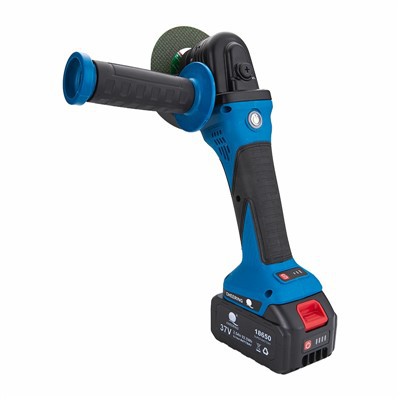
Hey there, fellow DIYers and professional craftsmen! Today, I'm gonna dive into a question that's been buzzing around in the tool - using community: Can a direct drive angle grinder be used for grinding copper? As a supplier of Direct Drive Angle Grinders, I've got some insights to share with you.
First off, let's talk a bit about direct drive angle grinders. A Direct Drive Angle Grinder is a beast of a tool. Unlike traditional angle grinders with gears, these bad boys have a motor directly connected to the spindle. This design cuts out the middle - man (the gears), which means less energy loss and more power transferred straight to the grinding wheel. It also often results in a more compact and lightweight tool, making it easier to handle for extended periods.
Now, copper. Copper is a soft, malleable metal. It's widely used in electrical work, plumbing, and even in art projects. Grinding copper can be necessary for various reasons, like smoothing rough edges after cutting, preparing a surface for soldering, or shaping it for a specific design.
So, can our direct drive angle grinder handle copper? The short answer is yes, but there are some things you need to keep in mind.
Advantages of Using a Direct Drive Angle Grinder for Copper
-
Power and Speed: Direct drive angle grinders typically offer high - speed rotation. This is great for quickly removing material from the copper surface. Whether you're dealing with a thick copper pipe or a large copper sheet, the high - speed grinding action can make short work of it. For instance, if you're working on a copper sculpture and need to shape a large section, the power of a direct drive angle grinder can save you a ton of time.
-
Precision: The direct connection between the motor and the spindle gives you better control over the grinding process. This is crucial when working with copper, as it's a relatively soft metal and you don't want to over - grind or damage the surface. You can make more precise cuts and smooth out areas with greater accuracy.
-
Compact Design: The compact size of direct drive angle grinders makes them ideal for working in tight spaces. If you're doing electrical work and need to grind a copper terminal in a small junction box, a direct drive angle grinder can easily fit in there and get the job done.
Challenges and Considerations
- Heat Generation: Copper is a good conductor of heat. When you grind copper with an angle grinder, a significant amount of heat is generated. This heat can cause the copper to melt or warp if not managed properly. To prevent this, you should use a grinding wheel specifically designed for non - ferrous metals like copper. These wheels are made to dissipate heat more effectively. Also, take breaks during the grinding process to let the copper cool down.
- Clogging: Copper is soft and sticky. As you grind, the copper shavings can clog the grinding wheel. This not only reduces the efficiency of the grinding but can also be dangerous as it may cause the wheel to break. To avoid clogging, you can use a wheel with a more open structure or apply a cutting fluid during the grinding process. A cutting fluid helps to lubricate the wheel and flush away the copper shavings.
- Safety: When grinding copper, there's a risk of inhaling copper dust. Copper dust can be harmful if inhaled in large quantities over a long period. So, always wear a dust mask and safety goggles. Also, make sure you're working in a well - ventilated area.
Choosing the Right Grinding Wheel
Picking the right grinding wheel is crucial when using a direct drive angle grinder for copper. A wheel with a high - grit rating (around 60 - 80 grit) is a good choice for general grinding. This will give you a smooth finish on the copper surface. For more aggressive grinding, you can use a lower - grit wheel, but be careful not to over - grind.
You can find a great selection of grinding wheels at most hardware stores. Make sure to choose a wheel that's compatible with your Direct Drive Angle Grinder.
Tips for Grinding Copper with a Direct Drive Angle Grinder
- Mark Your Work: Before you start grinding, mark the areas you want to work on. This will help you stay on track and ensure you're grinding the right spots.
- Start Slow: Begin the grinding process at a lower speed. This gives you a chance to get a feel for the tool and the copper. As you get more comfortable, you can gradually increase the speed.
- Use Light Pressure: Since copper is soft, you don't need to apply a lot of pressure when grinding. Let the grinding wheel do the work. Applying too much pressure can cause over - heating and damage to the copper.
Our Product Range
As a supplier of Direct Drive Angle Grinders, we offer a wide range of products to suit different needs. Our Angle Grinder 100 is a popular choice. It's lightweight, powerful, and easy to handle. Whether you're a professional or a DIY enthusiast, this angle grinder can help you get the job done.
We also have Gearless Angle Grinder options. These grinders offer the same direct drive benefits but with different features and specifications. You can choose the one that best fits your requirements.
Conclusion
In conclusion, a direct drive angle grinder can definitely be used for grinding copper. It offers power, precision, and convenience. However, you need to be aware of the challenges like heat generation, clogging, and safety issues. By choosing the right grinding wheel and following the tips I've shared, you can achieve great results when grinding copper with a direct drive angle grinder.
If you're in the market for a high - quality direct drive angle grinder or have any questions about using one for copper grinding, don't hesitate to reach out. We're here to help you make the right choice for your projects. Whether you're a professional tradesperson or a hobbyist, our products are designed to meet your needs. Contact us for more information and let's start a great business relationship.


References
- "Handbook of Abrasive Technology" by Tony Richardson
- "Metalworking for Beginners" by Jeff Bartlett