


Can I use an electrical angle grinder to cut tin?

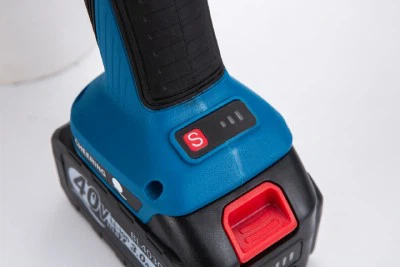
As a seasoned supplier of electrical angle grinders, I often encounter this question from customers looking to expand the utility of their tools. Tin is a soft, malleable metal commonly used in various applications, from roofing to crafting. The idea of using an electrical angle grinder to cut tin is both practical and appealing due to the tool's versatility and power. In this blog post, I'll explore the feasibility, safety considerations, and best practices of using an electrical angle grinder for cutting tin.
Feasibility of Cutting Tin with an Electrical Angle Grinder
The short answer is yes; you can use an electrical angle grinder to cut tin. Angle grinders are designed to handle a variety of materials, including metals, and tin is no exception. Their high - speed rotation and abrasive discs can easily slice through the relatively soft tin. However, several factors need to be considered to ensure a successful and safe cutting process.
Tool Selection
Not all angle grinders are created equal. When it comes to cutting tin, you'll want to choose the right type of electrical angle grinder for the job.
- Powerful Angle Grinder: A Powerful Angle Grinder offers high torque and speed, which can make quick work of cutting through tin. These grinders are ideal for large - scale cutting projects where you need to cut through significant lengths of tin.
- AC Brushless Angle Grinder: The AC Brushless Angle Grinder is known for its efficiency and durability. With no brushes to wear out, it can provide a consistent power output, making it a reliable choice for cutting tin. It also has a longer lifespan, reducing the need for frequent tool replacements.
- Small Electric Angle Grinder: For smaller, more delicate cutting tasks or when working in tight spaces, a Small Electric Angle Grinder is the way to go. Its compact size allows for better maneuverability, and it can still provide enough power to cut through thin sheets of tin.
- Angle Grinder With Dc Power: The Angle Grinder With Dc Power offers portability, allowing you to work in areas without access to an AC power source. This can be especially useful for on - site tin cutting projects, such as roofing repairs.
- Ac Dc Angle Grinder: A Ac Dc Angle Grinder provides the flexibility to use either AC or DC power. This means you can use it in different environments, whether you're working in a workshop with an AC outlet or in a remote location with a DC power source.
Abrasive Disc Selection
The choice of the abrasive disc is crucial when cutting tin. You need a disc that is suitable for cutting metal and can handle the softness of tin. Standard metal - cutting discs are a good option, but they may vary in grit and composition. A finer grit disc will provide a smoother cut, but it may wear out faster. Coarser grit discs can cut through the tin more quickly but may leave a rougher edge.
Safety Considerations
Cutting tin with an electrical angle grinder can be dangerous if proper safety precautions are not taken. Here are some essential safety measures to keep in mind:
- Personal Protective Equipment (PPE): Always wear safety goggles to protect your eyes from flying debris. A face shield can provide additional protection. Wear hearing protection, as angle grinders can be very noisy. Gloves are also necessary to protect your hands from cuts and burns. A dust mask is recommended to prevent inhalation of tin dust, which can be harmful if inhaled in large quantities.
- Work Area Preparation: Make sure your work area is clean and free of clutter. Secure the tin sheet firmly to prevent it from moving during the cutting process. This can be done using clamps or a vise. Keep the work area well - ventilated to disperse dust and fumes.
- Tool Inspection: Before using the angle grinder, inspect it for any damage or loose parts. Check the power cord for frays or cuts. Make sure the abrasive disc is properly installed and tightened. Do not use a damaged tool or a loose disc, as this can lead to accidents.
Best Practices for Cutting Tin
To achieve the best results when cutting tin with an electrical angle grinder, follow these best practices:
- Mark the Cutting Line: Use a straightedge and a marker to mark the cutting line on the tin. This will help you make a straight and accurate cut.
- Start Slowly: Begin the cutting process at a slow speed. This allows you to get a feel for the tool and the material. As you gain confidence, you can gradually increase the speed.
- Apply Light Pressure: Tin is a soft metal, so you do not need to apply a lot of pressure when cutting. Let the abrasive disc do the work. Applying too much pressure can cause the disc to bind, overheat, or damage the tin.
- Cool the Disc: Cutting generates heat, which can cause the abrasive disc to wear out more quickly. To cool the disc, take short breaks during the cutting process. This also helps prevent the tin from warping due to excessive heat.
- Follow the Cutting Line: Keep the angle grinder aligned with the marked cutting line. Use a steady hand and move the tool smoothly along the line. If the cut veers off course, stop and realign the tool before continuing.
Advantages of Using an Electrical Angle Grinder for Cutting Tin
- Speed: Angle grinders can cut through tin much faster than traditional hand - cutting tools, such as tin snips. This can save you a significant amount of time, especially for large projects.
- Versatility: In addition to cutting straight lines, angle grinders can be used to make curved or angled cuts in tin. This makes them suitable for a wide range of applications, from simple repairs to complex metalwork.
- Precision: With the right technique and a steady hand, you can achieve a high level of precision when cutting tin with an angle grinder. This allows you to create accurate and clean cuts for your projects.
Conclusion
In conclusion, using an electrical angle grinder to cut tin is not only possible but also a practical and efficient method. By choosing the right tool and abrasive disc, following proper safety precautions, and using the best practices outlined above, you can achieve excellent results. Whether you're a professional metalworker or a DIY enthusiast, an electrical angle grinder can be a valuable addition to your toolkit for cutting tin.
If you're interested in purchasing an electrical angle grinder for cutting tin or have any questions about our products, please don't hesitate to contact us for procurement and further discussions. We're here to help you find the right tool for your needs.
References
- "Angle Grinder Safety: A Guide to Safe Operation" - Occupational Safety and Health Administration (OSHA)
- "Metal Cutting Basics: Techniques and Tools" - Workshop Journal
- "Choosing the Right Abrasive Disc for Metal Cutting" - Tool Manufacturer's Handbook


