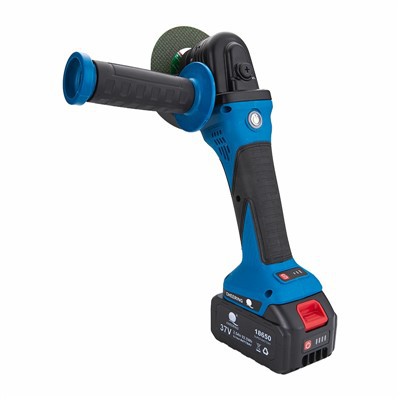
When it comes to powerful angle grinders, understanding their voltage requirements is crucial for both users and professionals in the industry. As a leading supplier of Powerful Angle Grinder, I have witnessed firsthand the importance of getting the voltage right. In this blog post, I will delve into the voltage requirements for powerful angle grinders, exploring different types of angle grinders and their specific voltage needs.
Understanding the Basics of Voltage in Angle Grinders
Voltage is a measure of the electrical potential difference between two points in a circuit. In the context of angle grinders, voltage determines the power and performance of the tool. A higher voltage generally means more power, which is essential for heavy - duty applications. However, it's not just about having high voltage; the voltage must also be compatible with the electrical system and the motor design of the angle grinder.
Most powerful angle grinders on the market can be categorized into two main power sources: AC (alternating current) and DC (direct current). Each type has its own unique voltage requirements and characteristics.
AC - Powered Angle Grinders
AC - powered angle grinders are the most common type in industrial and professional settings. They are typically connected to a standard electrical outlet, which provides a consistent source of power. In most countries, the standard household voltage is either 110 - 120 volts (in North America, for example) or 220 - 240 volts (in Europe, Asia, and many other parts of the world).
110 - 120 Volt AC Angle Grinders
These angle grinders are commonly used in North American households and some light - industrial applications. They are suitable for relatively small - scale tasks such as cutting thin metal sheets, grinding small areas, or for DIY projects. While they may not have the same level of power as their higher - voltage counterparts, they are safer to use in environments where there is a risk of electrical shock, as the lower voltage reduces the potential danger. Our Small Electric Angle Grinder is available in 110 - 120 volt options, making it a great choice for home users and hobbyists.
220 - 240 Volt AC Angle Grinders
For heavy - duty industrial applications, 220 - 240 volt AC angle grinders are the norm. These grinders can handle more demanding tasks such as cutting thick metal bars, grinding concrete, and working on large - scale construction projects. The higher voltage allows the motor to generate more power, resulting in faster cutting and grinding speeds. Our AC Brushless Angle Grinder in 220 - 240 volt configuration is designed to provide maximum performance and durability in tough work environments.
DC - Powered Angle Grinders
DC - powered angle grinders offer more flexibility as they can be powered by batteries. This makes them ideal for use in areas where there is no access to a standard electrical outlet, such as on construction sites or in remote locations. The voltage of DC - powered angle grinders depends on the battery used.
40 - volt batteries provide more power and longer runtime, making them suitable for more demanding tasks. They can handle heavier cutting and grinding jobs, similar to what a lower - voltage AC - powered grinder can do.
AC/DC Angle Grinders
Some angle grinders are designed to work with both AC and DC power sources. These Ac Dc Angle Grinder offer the best of both worlds, providing flexibility and versatility. When using an AC/DC angle grinder, the voltage requirements will depend on whether it is connected to an AC outlet or a DC battery.
When using the AC power mode, the grinder will operate at the standard AC voltage of the electrical outlet (either 110 - 120 volts or 220 - 240 volts). In DC mode, it will operate at the voltage of the connected battery. This type of angle grinder is a popular choice for professionals who need a tool that can adapt to different working conditions.
Factors Affecting Voltage Requirements
Several factors can affect the voltage requirements of a powerful angle grinder:
Motor Size and Power
Larger motors generally require higher voltages to operate efficiently. A powerful motor needs more electrical energy to generate the torque and speed necessary for heavy - duty cutting and grinding. For example, a large - sized angle grinder with a high - power motor may require a 220 - 240 volt AC power supply or a high - voltage DC battery.
Type of Work
The type of work you plan to do with the angle grinder also influences the voltage requirement. Light - duty tasks such as sanding or cutting thin materials can be accomplished with a lower - voltage angle grinder. However, for tasks like cutting thick metal or grinding concrete, a higher - voltage grinder is necessary to ensure smooth and efficient operation.
Runtime and Battery Life (for DC - Powered Grinders)
If you need a long runtime for your DC - powered angle grinder, you will likely need a higher - voltage battery. Higher - voltage batteries can store more energy, which means they can power the grinder for a longer period of time between charges.
Choosing the Right Voltage for Your Angle Grinder
When choosing a powerful angle grinder, it's important to consider your specific needs and the working environment. Here are some tips to help you make the right decision:


For Home Use
If you are using the angle grinder for occasional DIY projects around the house, a 110 - 120 volt AC angle grinder or a low - voltage DC - powered angle grinder should be sufficient. These grinders are easy to use, relatively safe, and can handle most light - duty tasks.
For Professional Use
Professionals working in industrial or construction settings will typically require a more powerful angle grinder. A 220 - 240 volt AC angle grinder or a high - voltage DC - powered grinder (40 volts) is recommended for heavy - duty applications. These grinders can provide the power and performance needed to complete large - scale projects efficiently.
For Portable Use
If you need a portable angle grinder for use in remote locations or on - site work, a DC - powered grinder is the best choice. Consider the battery voltage based on the type of work you will be doing and the runtime you require.
Conclusion
Understanding the voltage requirements for a powerful angle grinder is essential for getting the most out of your tool. Whether you choose an AC - powered, DC - powered, or AC/DC angle grinder, make sure the voltage is compatible with your needs and the working environment. As a supplier of high - quality Powerful Angle Grinder, we are committed to providing you with the right tools for your projects.
If you are interested in purchasing a powerful angle grinder or have any questions about voltage requirements, please feel free to contact us. We look forward to discussing your needs and helping you find the perfect angle grinder for your application.
References
- Electrical Engineering Handbook, Third Edition. CRC Press.
- Power Tools: A Comprehensive Guide. McGraw - Hill Professional.