


If you work in construction, metal fabrication, or any industry that requires cutting, grinding, or polishing tough materials, you know that a powerful angle grinder is one of the most essential tools in your kit. As a supplier of high-performance angle grinders, I've seen firsthand how even the most skilled professionals can make avoidable mistakes when transporting these heavy-duty tools. A single slip or misplaced guard can turn a routine transport into a safety hazard, damaging both the grinder and potentially hurting someone. Over the past decade, I've worked with hundreds of contractors and tradespeople to refine safe transport practices, and today I'm sharing what I've learned to keep your powerful angle grinder secure during every move.
First, let's clarify what makes a powerful angle grinder different from smaller models. Unlike a compact Small Electric Angle Grinder, which is lightweight and easy to tuck into a work bag, a high-powered grinder-think 9-inch models with 15-amp motors-weighs twice as much and delivers far more torque. This extra power means the tool has larger, heavier disc assemblies and a robust motor housing, so its transport needs are unique. Whether you're moving it from your truck to a job site, storing it in a garage, or shipping it between worksites, skipping proper steps can lead to broken parts, accidental startup, or even injury.
Start with pre-transport preparation. The most critical step here is disconnecting the grinder from any power source before you touch it. If you're using an electric model, unplug it from the wall outlet or remove the battery if it's a cordless Ac Dc Angle Grinder. For gas-powered models, turn off the fuel valve and let the engine cool completely-hot parts can melt nearby materials or cause burns if not handled carefully. Next, remove the grinding or cutting disc. This is non-negotiable: a spinning disc is one of the leading causes of transport injuries. To do this, lock the spindle with the spindle lock button (check your user manual for the exact location, as it varies by model) and use a wrench to loosen the disc nut. Once the disc is off, store it separately in a protective case or sleeve-discs are fragile and can crack if jostled against other tools during transport.
A common mistake I see is leaving the guard on the grinder during transport. Wait, no-actually, you want the guard in place, but properly adjusted. The safety guard is designed to contain debris if the disc breaks, so never operate a grinder without it, and never transport one without it either. For a Powerful Angle Grinder, the guard is larger and more robust than on smaller models, so make sure it's locked in the correct position to cover at least half the disc. If the guard is loose, tighten the retaining bolts before moving the tool; a flapping guard can get caught on other items in your truck and shift the grinder off balance.
Now, how to carry the grinder itself. Even though it's heavy, don't swing it or carry it by the power cord (if it's an electric model). The cord is thin and can fray easily, and yanking on it can damage the plug or internal wiring. Instead, use the main handle-both the front and rear auxiliary handles, if your model has them. For single-handle powerful grinders, wrap your dominant hand around the main handle, keeping your grip firm but not tight enough to strain your wrist. Support the base of the grinder with your other hand, cupping the motor housing to keep it level. Never let the disc end hang down; tilting the grinder so the disc points toward your legs or the back of your truck increases the risk of it catching on something or scraping a hole in your vehicle.

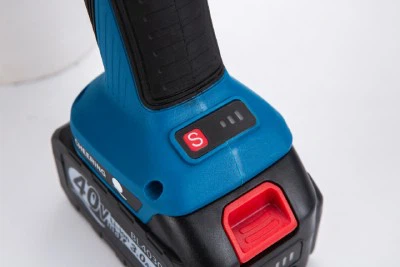
If you're transporting multiple tools, don't stack other heavy items on top of the grinder. A 10-pound sledgehammer falling on a grinder's motor can crack the housing, damage the internal bearings, or even press on the trigger and accidentally activate the tool. Instead, place the grinder in a separate, padded compartment in your truck bed or a tool chest. Many of our customers use a dedicated angle grinder bag lined with foam, which fits the grinder perfectly and has pockets for accessories like discs, wrenches, and safety glasses. For cordless models, make sure the battery is removed and stored in a separate section of the bag to avoid a short circuit if the terminals touch metal.
Transporting the grinder in a vehicle requires extra care to prevent it from sliding or tipping. If you're using an open truck bed, secure the grinder with a bungee cord or ratchet strap. Place it against a wall or another heavy tool to create a stable base, then run the cord around the motor housing (not the handle or guard) and tie it tightly so it doesn't move. Never leave the grinder loose in the back of a truck; at 60 mph, a 15-pound grinder becomes a projectile that can crash through your windshield or injure a passenger. If you're driving a van or closed truck, place the grinder on the floor near the driver's seat, not the back door, so it's easy to reach if you need to adjust it.
Storing the grinder when you're not using it is also part of safe transport-even short moves between jobs. If you're leaving it in your workshop overnight, make sure it's unplugged and the disc is removed. Store the grinder in a cool, dry place away from dust and moisture; excessive humidity can rust the motor or corrode the disc shaft. Many of our customers keep their Powerful Angle Grinder on a wall mount, which keeps it off the floor and prevents it from being knocked over by a falling tool. If you're shipping the grinder to another location, use the original packaging if you still have it; it's designed to fit the tool snugly and protect it during transit. If you don't have original packaging, wrap the grinder in bubble wrap, paying special attention to the motor housing and the shaft, then place it in a sturdy cardboard box with packing peanuts to absorb shock.
I should also mention specific considerations for different types of grinders. If you're using a cordless Angle Grinder With Dc Power, make sure the battery is fully charged and secure in the charger when transporting it-never leave the battery in the grinder during long trips, as vibration can cause it to become loose and potentially short circuit. For an AC Brushless Angle Grinder, the motor is more efficient but also more sensitive to power fluctuations, so don't transport it near other electrical equipment that could generate static or damage the internal electronics. Smaller electric angle grinders are more portable, but their smaller size means they can slip out of your hand more easily, so use a wrist strap if you're carrying it for long distances.
One thing that surprises many new customers is the importance of inspecting the grinder after transport. Even if you followed all the steps, a small crack in the disc or a loose guard bolt can lead to a serious injury when you use it. Before plugging the grinder in or attaching a new disc, give it a quick visual check: make sure the guard is tight, the disc is secure, and the power cord (if electric) has no frays or tears. If you notice any damage, don't use the grinder until you've repaired or replaced the part-our team can help with spare parts for any model in our line, from the smallest Small Electric Angle Grinder to our heaviest Powerful Angle Grinder.
As someone who's spent years working with tradespeople, I've learned that safe transport is a habit, not a one-time task. It's easy to rush through these steps when you're late for a job, but taking 2 extra minutes to disconnect the power, remove the disc, and secure the grinder can save you from hours of downtime and medical bills. Whether you're a contractor with a fleet of tools or a DIY homeowner tackling a backyard project, following these simple guidelines will keep your angle grinder working safely for years.
If you're in the market for a new grinder or need replacement parts for your current tool, our team is here to help. We offer a range of models, including the reliable AC Brushless Angle Grinder, the portable Small Electric Angle Grinder, and the durable Ac Dc Angle Grinder to fit any job. Browse our selection online to find the right tool for your needs, or reach out to our sales team to discuss your specific requirements. We're committed to providing quality tools and the support you need to use them safely, both on and off the job.
References
- Occupational Safety and Health Administration (OSHA). (2022). "Power Tool Safety Guidelines for Grinders." U.S. Department of Labor.
- American National Standards Institute (ANSI). (2021). "Safety Requirements for Industrial Grinders and Cut-Off Machines." ANSI B7.1.
- Construction Safety Association of Ontario. (2020). "Tool Transport Best Practices for Trades Workers." CSAO Publications.
- Manufacturer's Technical Manuals for Angle Grinders. Various models from industrial power tool suppliers, 2019–2023.
- National Fire Protection Association (NFPA). (2021). "Electrical Tool Safety for Construction Sites." NFPA 70E.


