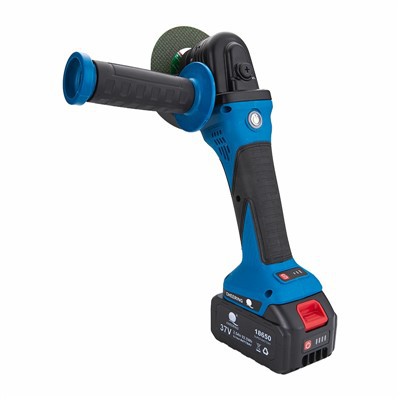
Hey there! As a supplier of Brushless Motor Angle Grinder, I've seen my fair share of issues with these handy tools. Brushless motor angle grinders are awesome – they're powerful, efficient, and generally reliable. But like any piece of equipment, they can run into problems from time to time. In this blog, I'm gonna walk you through some common issues and how to troubleshoot them.
1. The Grinder Won't Start
This is probably one of the most frustrating problems. When you hit the switch and nothing happens, it can really throw a wrench in your work. Here are some things to check:


Power Supply
- First off, make sure the grinder is actually plugged in. Sounds obvious, but you'd be surprised how often this is the culprit. If it's a corded model, check the power cord for any visible damage like cuts or frays. If there's damage, don't try to use it – replace the cord.
- For cordless models, check the battery. Make sure it's fully charged. Sometimes, the battery might seem charged, but it could be faulty. Try swapping it with another known - good battery if you have one.
Switch Issues
- The switch could be the problem. Over time, switches can wear out or get damaged. You can test the switch with a multimeter. Set the multimeter to the continuity setting. When the switch is in the "on" position, there should be continuity (the multimeter should beep). If there's no continuity, the switch needs to be replaced.
Motor Overload Protection
- Some brushless motor angle grinders have an overload protection feature. If the motor has been working too hard for too long, it might have tripped this protection. Let the grinder cool down for a while. Usually, after it cools, it should reset itself and start working again.
2. The Grinder Runs Erratically
If your grinder is running unevenly, with the speed fluctuating or the motor making strange noises, here's what you can do:
Carbon Brush Equivalent (Brushless Considerations)
- In a brushless motor, there aren't actual carbon brushes, but there are electronic components that can act like the "control" for the motor. Check the motor controller. Sometimes, loose connections or a faulty controller can cause erratic running. Look for any loose wires around the controller and make sure they're properly connected.
- If you suspect the controller is bad, it's best to have it tested by a professional or replaced. These components can be a bit tricky to work with, so if you're not experienced, it's better to leave it to the experts.
Grinding Wheel Issues
- A worn - out or unbalanced grinding wheel can also cause the grinder to run erratically. Check the grinding wheel for any signs of damage, like cracks or chips. Also, make sure it's properly installed and tightened. An unbalanced wheel can put extra stress on the motor and cause it to run unevenly.
3. Excessive Heat
If your grinder is getting too hot during normal use, it's a sign that something's wrong.
Air Vents Blockage
- Most grinders have air vents to keep the motor cool. Check these vents to make sure they're not blocked by dust, debris, or other materials. Use a brush or compressed air to clean out the vents. A blocked vent can cause the motor to overheat because it can't dissipate heat properly.
Overworking the Motor
- If you're using the grinder for long periods without giving it a break, it can overheat. Make sure to give the grinder short breaks during extended use. This allows the motor to cool down and reduces the risk of overheating.
4. Strange Noises
Strange noises coming from your grinder can be a sign of serious problems.
Bearing Issues
- The bearings in the grinder can wear out over time. If you hear a grinding or whining noise, it could be a sign of bad bearings. You'll need to disassemble the grinder to access the bearings. Once you've removed the old bearings, make sure to replace them with the correct size and type.
Gearbox Problems
- If your grinder has a gearbox, a noisy gearbox could indicate worn gears or a lack of lubrication. Check the gearbox for any signs of damage or wear. If the gears are worn, they'll need to be replaced. Also, make sure the gearbox is properly lubricated according to the manufacturer's recommendations.
5. Low Power Output
If your grinder seems to be losing power, it might not be able to do its job effectively.
Battery or Power Source
- For cordless models, a weak battery can cause low power output. As mentioned earlier, make sure the battery is fully charged. If the battery is old and no longer holding a charge well, it might need to be replaced.
- For corded models, check the voltage at the power outlet. Use a multimeter to measure the voltage. If the voltage is lower than the recommended level, it could be causing the low power output. You might need to use a different outlet or check your electrical system.
Motor Efficiency
- Over time, the motor's efficiency can decrease. This could be due to internal component wear or damage. If you've checked all the other possible causes and still have low power output, it might be time to have the motor inspected or replaced.
Troubleshooting Tips for Specific Types of Brushless Angle Grinders
Brushless Direct Drive Angle Grinder
- These grinders have a direct - drive system, which means there are fewer moving parts between the motor and the grinding wheel. However, the direct - drive mechanism can be more sensitive to misalignment. Check for any signs of misalignment between the motor shaft and the grinding wheel. If there's misalignment, it can cause uneven wear and reduced performance.
Brushless AC Angle Grinder
- Since these grinders run on AC power, electrical issues are more likely. Check the power cord, plug, and the electrical connections inside the grinder. Any loose or damaged connections can cause power problems or even pose a safety hazard.
In conclusion, troubleshooting a brushless motor angle grinder might seem daunting at first, but by following these steps, you can often identify and fix the problem. If you're still having trouble after trying these steps, don't hesitate to reach out to a professional for help.
If you're in the market for a new Brushless Motor Angle Grinder, we've got a great selection. Whether you need a Brushless Direct Drive Angle Grinder or a Brushless AC Angle Grinder, we can provide high - quality products. Contact us for more information and to start a procurement discussion. We're here to help you find the right tool for your needs.
References
- Manufacturer's manuals for brushless motor angle grinders
- Industry standards and best practices for power tool maintenance and troubleshooting