


As a supplier of Handheld Angle Grinders, I often receive inquiries about the capabilities of these versatile tools. One question that frequently comes up is whether handheld angle grinders can cut through magnesium. In this blog post, I'll explore this topic in detail, providing you with the scientific information you need to make an informed decision.
Understanding Magnesium
Magnesium is a lightweight, silvery-white metal that is known for its high strength-to-weight ratio. It has a low density, making it one of the lightest structural metals available. Magnesium is also highly reactive, meaning it can easily ignite and burn in the presence of oxygen. This reactivity is a result of its low ignition temperature and high heat of combustion.
In industrial applications, magnesium is commonly used in the aerospace, automotive, and electronics industries due to its excellent mechanical properties. It is often alloyed with other metals to improve its strength and durability. However, the reactivity of magnesium presents unique challenges when it comes to cutting and machining.
The Basics of Handheld Angle Grinders
Handheld angle grinders are power tools that are used for a variety of tasks, including cutting, grinding, and polishing. They consist of a motor, a gearbox, and a grinding wheel or cutting disc. Angle grinders are available in different sizes and power ratings, with the most common sizes being 4.5 inches (115mm) and 9 inches (230mm).
100mm Angle Grinder models are popular for their compact size and portability, making them suitable for a wide range of applications. They are commonly used in metalworking, construction, and DIY projects.
Cutting Magnesium with a Handheld Angle Grinder
The answer to whether handheld angle grinders can cut through magnesium is yes, but with significant precautions. Magnesium can be cut using an angle grinder, but it requires careful handling due to its flammable nature.
The Risks
When cutting magnesium with an angle grinder, the high heat generated by the friction between the cutting disc and the metal can cause the magnesium to ignite. Magnesium burns at a very high temperature, and once ignited, it can be difficult to extinguish. The burning magnesium can also produce a bright, intense light and release a large amount of heat and toxic fumes.
Safety Precautions
To safely cut magnesium with a handheld angle grinder, the following safety precautions must be taken:
- Work in a Well-Ventilated Area: The fumes produced by burning magnesium are toxic and can be harmful if inhaled. Ensure that you are working in a well-ventilated area or use local exhaust ventilation to remove the fumes.
- Use the Right Cutting Disc: Not all cutting discs are suitable for cutting magnesium. Use a disc specifically designed for cutting non-ferrous metals, including magnesium. These discs are made from materials that are less likely to cause sparks and reduce the risk of ignition.
- Keep the Workpiece Cool: To prevent the magnesium from overheating and igniting, use a coolant or cutting fluid to keep the workpiece and the cutting disc cool. This will also help to extend the life of the cutting disc.
- Avoid Excessive Pressure: Applying too much pressure on the angle grinder can cause the cutting disc to overheat and increase the risk of ignition. Use a light, steady pressure and let the cutting disc do the work.
- Have a Fire Extinguisher Handy: In case of a fire, it is essential to have a Class D fire extinguisher nearby. Class D fire extinguishers are specifically designed to extinguish fires involving flammable metals, such as magnesium.
- Wear Protective Gear: Always wear appropriate personal protective equipment (PPE), including safety glasses, a face shield, gloves, and a fire-resistant apron.
Cutting Technique
When cutting magnesium with a handheld angle grinder, start by making a shallow cut to create a guide for the rest of the cut. This will help to prevent the cutting disc from wandering and reduce the risk of ignition. Use a slow, steady cutting speed and keep the angle grinder perpendicular to the workpiece.
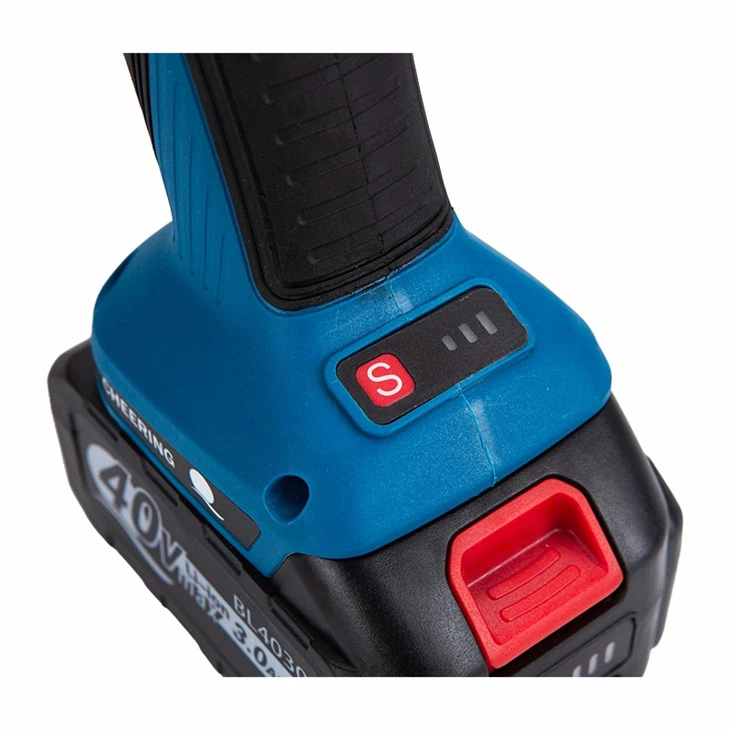

Our Handheld Angle Grinders for Metal Cutting
As a leading supplier of Handheld Angle Grinders, we offer a range of high-quality tools suitable for cutting magnesium and other metals. Our 115 Degree Angle Grinder and Mute Angle Grinder models are designed with safety and performance in mind.
Our angle grinders are equipped with powerful motors and high-quality cutting discs, ensuring efficient and precise cutting. They also feature ergonomic designs for comfortable handling and reduced operator fatigue.
Conclusion
In conclusion, handheld angle grinders can cut through magnesium, but it is a task that should be approached with caution. Due to the flammable nature of magnesium, it is essential to follow strict safety protocols to prevent fires and ensure the safety of the operator.
If you are considering using a handheld angle grinder to cut magnesium, make sure you have the necessary knowledge and equipment to do so safely. Our range of Handheld Angle Grinders is designed to meet the needs of professionals and DIY enthusiasts alike. Whether you need a 115mm Angle Grinder or a Mute Angle Grinder, we have the right tool for the job.
If you have any questions or need more information about our products, please do not hesitate to contact us. We are here to help you find the best solution for your metal-cutting needs and look forward to discussing potential procurement opportunities with you. Let's work together to ensure your projects are completed safely and efficiently.
References
- "Magnesium: Properties, Applications, and Safety Concerns." Metalurgy Today, vol. 25, no. 3, 2020.
- "Handheld Power Tools: A User's Guide." Tool Safety Journal, vol. 12, no. 1, 2019.


