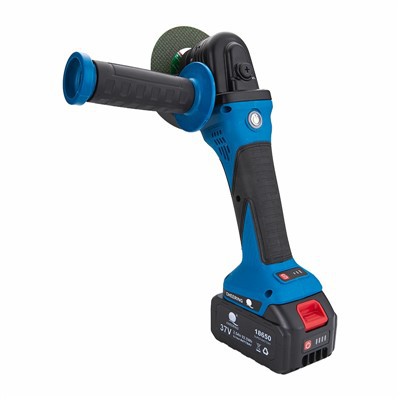
When it comes to power tools, an electrical angle grinder is a versatile and indispensable device in various industries, from metalworking to construction. However, one common issue that users often encounter is the generation of sparks during operation. While sparks are a natural by - product of the grinding process, excessive or uncontrolled sparks can pose safety hazards and potentially damage the workpiece or the surrounding environment. As an electrical angle grinder supplier, I am here to share some effective strategies on how to prevent sparks when using an electrical angle grinder.
1. Select the Right Grinding Wheel
The choice of the grinding wheel is crucial in minimizing sparks. Different types of grinding wheels are designed for specific materials and applications. For instance, if you are working on stainless steel, a wheel specifically formulated for stainless steel will produce fewer sparks compared to a general - purpose wheel. A wheel with a proper grain size and bond strength also plays a vital role. A wheel with too coarse a grain may cause more aggressive cutting and generate more sparks, while a wheel with a weak bond may break apart during operation, leading to irregular grinding and increased sparking.
Our company offers a wide range of high - quality grinding wheels suitable for different materials. You can find the Powerful Angle Grinder on our website, which is compatible with various grinding wheels to meet your specific needs.
2. Maintain the Angle Grinder Properly
Regular maintenance of the electrical angle grinder is essential for safe and efficient operation. One of the key aspects is to keep the grinder clean. Dust and debris can accumulate in the motor and other components, causing overheating and irregular operation, which in turn can lead to increased sparking. Clean the grinder after each use, especially the air vents and the area around the grinding wheel.
Check the carbon brushes regularly. Worn - out carbon brushes can cause arcing, which is a major source of sparks. Replace the carbon brushes as soon as they reach the end of their service life. Also, inspect the power cord for any signs of damage, such as cuts or frays. A damaged power cord can cause electrical short - circuits and generate sparks.
3. Adjust the Grinding Parameters
Proper adjustment of the grinding parameters can significantly reduce spark generation. First, control the speed of the angle grinder. Running the grinder at a too - high speed can cause the grinding wheel to cut too aggressively, resulting in more sparks. Most modern angle grinders have variable speed settings. Select a speed that is appropriate for the material you are grinding. For softer materials, a lower speed may be sufficient, while harder materials may require a higher speed, but still within the recommended range.
The pressure applied during grinding also matters. Applying excessive pressure can cause the grinding wheel to bind and generate more sparks. Instead, use a light and consistent pressure. Let the grinding wheel do the work, and avoid forcing it into the material.
4. Use Safety Guards and Shields
Safety guards and shields are not only important for protecting the user from flying debris but also for containing sparks. Make sure the angle grinder is equipped with a proper safety guard. The guard should be adjusted to cover the appropriate area of the grinding wheel. This will prevent sparks from flying in all directions and reduce the risk of fire or injury.
In addition to the built - in guard, you can also use additional shields in the work area. For example, a spark shield can be placed around the workpiece to contain the sparks. This is especially important when working in an environment where there are flammable materials or in confined spaces.
5. Work in a Suitable Environment
The environment in which you use the angle grinder can also affect spark generation. Avoid working in areas with high humidity or where there is a risk of water splashing onto the grinder. Moisture can cause electrical problems and increase the likelihood of sparking.
Keep the work area well - ventilated. Good ventilation helps to dissipate heat and remove dust and sparks from the air. This reduces the risk of sparks igniting any flammable substances in the area. Also, make sure there are no flammable materials nearby. If possible, create a dedicated work area for grinding and keep it clear of any combustible items.
6. Inspect the Workpiece
Before starting to grind, inspect the workpiece carefully. Remove any paint, rust, or other coatings on the surface. These coatings can cause uneven grinding and increase spark generation. If the workpiece has any embedded foreign objects, such as nails or screws, remove them. Grinding over these objects can cause the grinding wheel to break and generate a large number of sparks.
7. Train the Operators
Proper training is crucial for preventing sparks and ensuring safe operation of the electrical angle grinder. Operators should be trained on how to select the right grinding wheel, adjust the grinding parameters, and use the grinder correctly. They should also be aware of the safety procedures, such as wearing appropriate personal protective equipment (PPE) and using safety guards.


Our company provides training resources and support to our customers. Whether you are a professional tradesperson or a DIY enthusiast, you can benefit from our knowledge and experience. You can also explore our Angle Grinder With Dc Power and Small Electric Angle Grinder on our website, which are designed for ease of use and safety.
Conclusion
Preventing sparks when using an electrical angle grinder is a combination of proper equipment selection, maintenance, parameter adjustment, and safe working practices. By following the strategies outlined above, you can minimize the risk of sparks, improve the safety of your work environment, and extend the lifespan of your angle grinder.
As an electrical angle grinder supplier, we are committed to providing high - quality products and professional advice to our customers. If you are interested in purchasing an electrical angle grinder or have any questions about preventing sparks, please feel free to contact us for procurement and further discussions.
References
- "Power Tool Safety Manual", National Institute for Occupational Safety and Health.
- "Grinding Technology: Theory and Applications of Machining with Abrasives", by Stephen Malkin.
- "Electrical Safety in the Workplace", Occupational Safety and Health Administration.